Look left! Look right! See the who you decided to cite. At least that’s the idea!
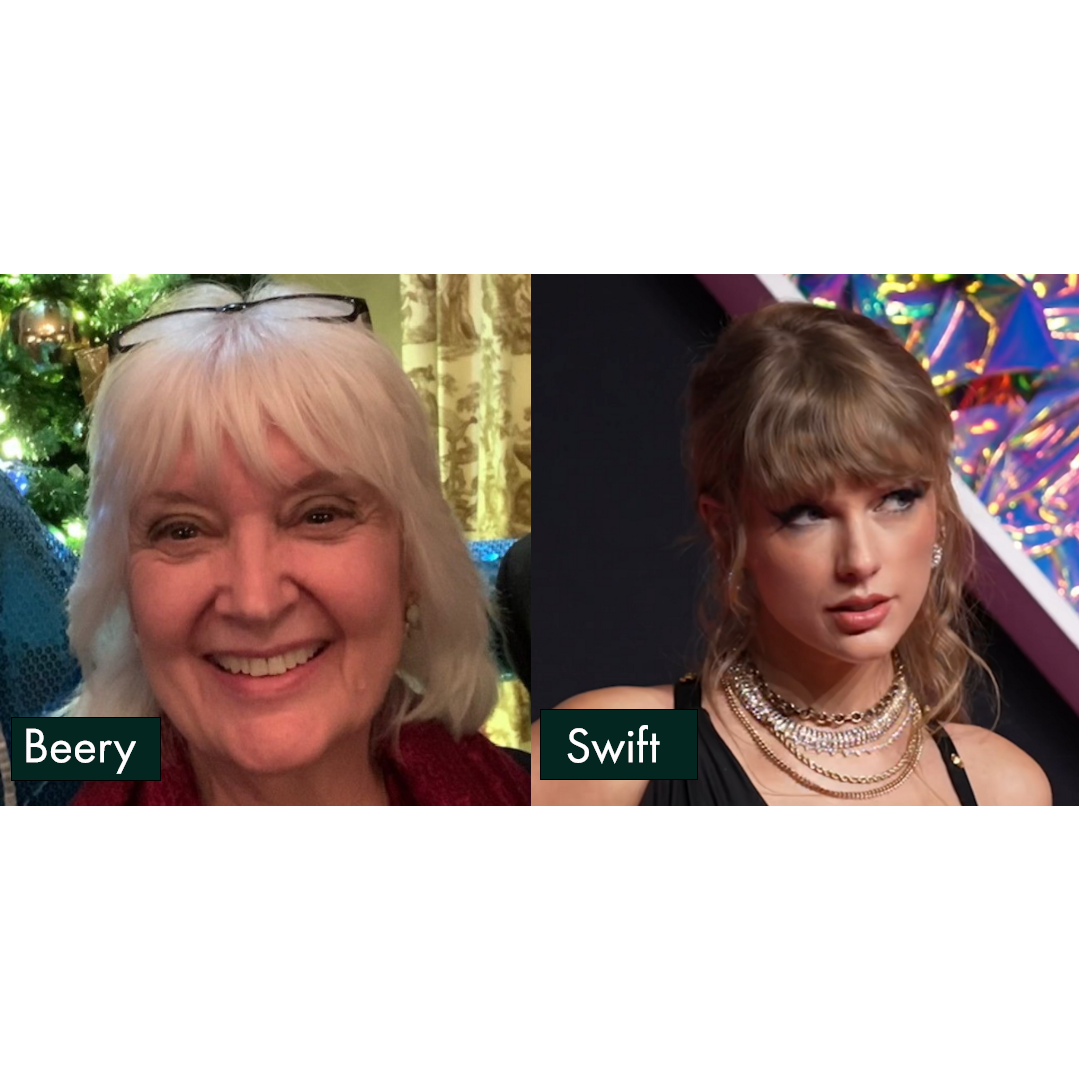
Beauty is a beast that roars Down on all fours, demanding more Only when your girlish glow flickers just so Do they let you know It's hell on earth to be heavenly Them's the breaks, they don't come gently
Here's a class example where ya got pop culture theorizing next to academicky culture. Kinda saying the same thing about sexism and beauty, right?
What we mean is this interface has an ethic, maybe a suggestion, for allowing authors have their say and encouraging audiences see their says, for both to visualize the numbers of particular social categories they are including and excluding.
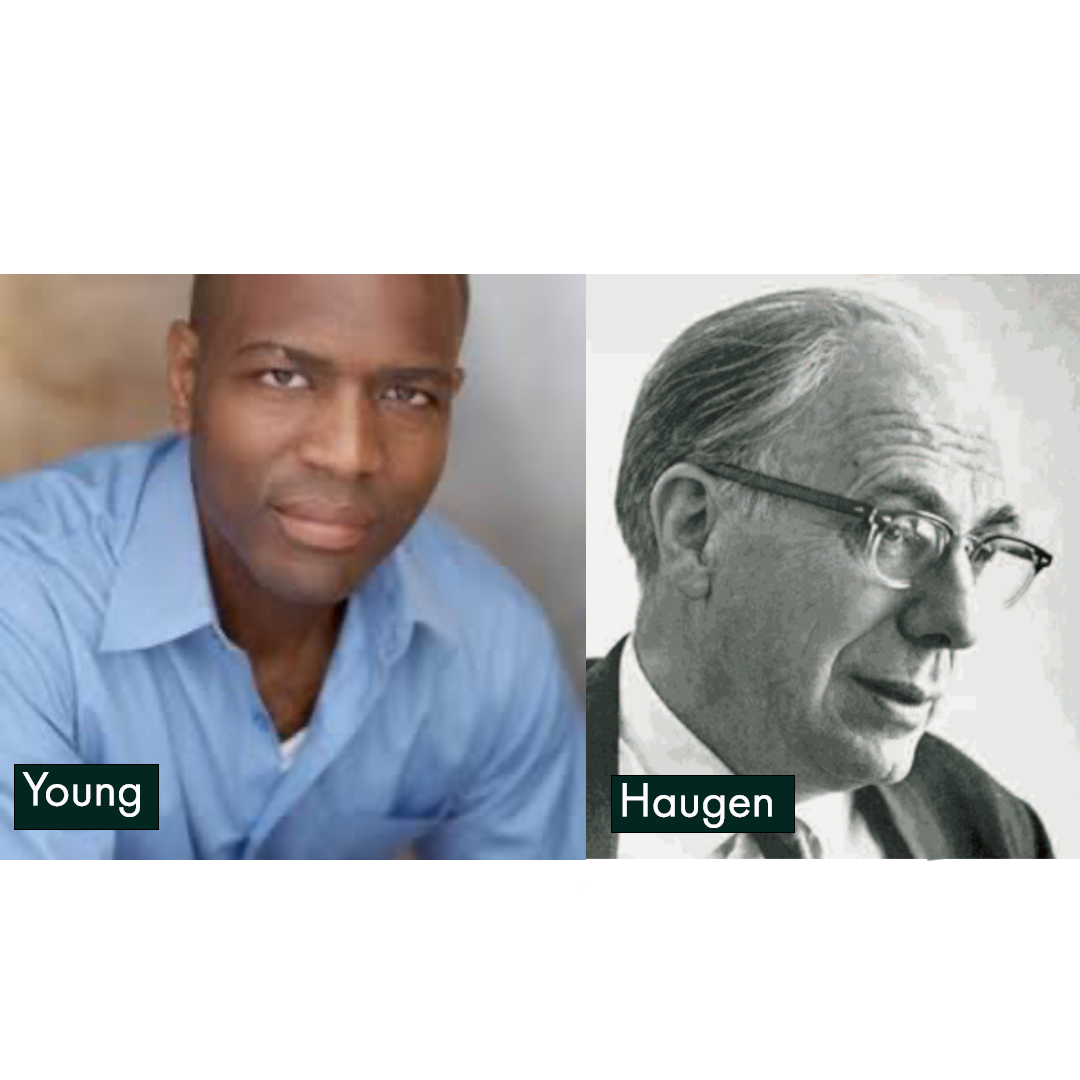
Code-meshing is an approach to communication that assumes that all dialects and languages are equal in their complexity and value. In practice, it acts exactly as the name suggests: combining, or meshing, different “codes” within one context (This is a direct quote from "Code-meshing" on Oregon State Universitiy's Writing Center Website. We liked it and it came up at the top of a Googling.). Black Studies scholar Vershawn Ashanti Young created the term in the early 2000s.
Here is like another example of what we are talking about. Take a look at how you might see differently what language specialists are thinkin' about and focused on.
Quotations are powerful, especially when they are juxtaposed with other quotations from other who's and their legitimacies. This particular interface can reveal more than academicky differences and similarities in ideas. The interface seems to be designed for inclusion and crossing cultures. Maybe not hybridizing, switching, or meshing ideas, voices, tones, and styles, and codes but doing something different: juxtaprosition--showing prose differences and allowing an audience to figure out the hybridizing, switching, and meshing.
If only we could find a visual way to show people rhetorical justice? Maybe we've done it? This interface might just be rhetorical justice. The interface let's ya see authorship, audiences see the similarities and differences between actions taken by who's and the foci of their meanings. An audience, without a visual disability, sees the races, classes, and genders of the authors being cited. An audience with a visual disability can read about the social categories in alt text. So we wonder, would that make a difference in how you read something if you knew Goscinski wrote this?
Interfacial #1: Side by Side, Time after Time
Interfacial #2: It Moves!
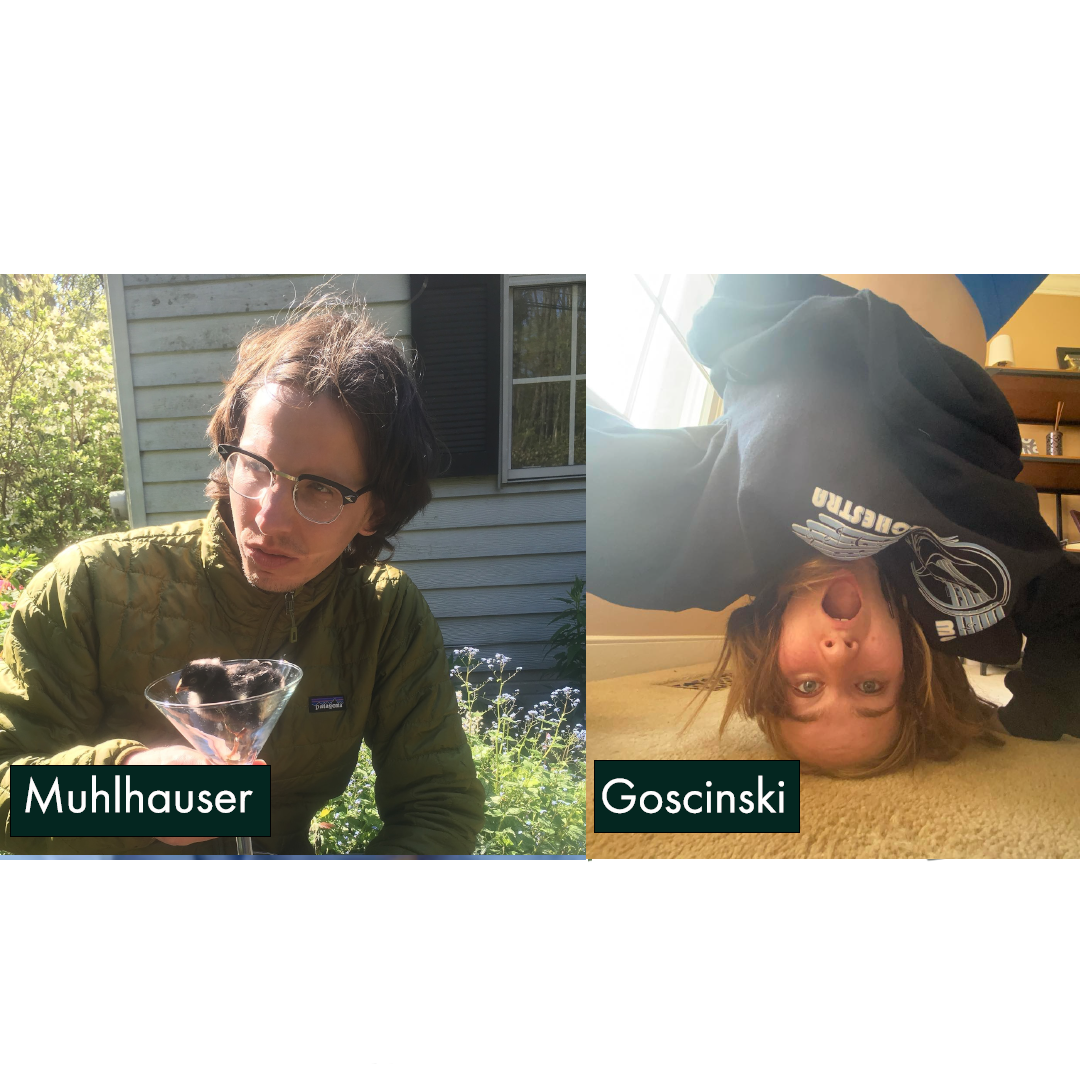
All Muhlhasuer wants to say about this is how there is some author equity here, forcing an audience to pay attention to where they are and who they're seeing. It's kinda cool an author can emphasize attention like this and involve an audience in the movement. Of course, on the other📜, it might be irritating to an audience. It's not like a static page you can stop. Goscinski has some words about that!
IDENTIFY
Seein' Who's are Sayin' What's

Look left! Look right! See the who you decided to cite. At least that’s the idea!
Interfacial #1: Side by Side, Time after Time
Seeeems like it could make a difference with regards to equity if an author revealed his/her/zir/their/its authors to an audience. An audience could see who's and what's. Like what if you could see who was talking about what? Would that make a difference in how you read something? And then you could even see numbers of who's. Who looks alike? Who looks different? What is that who focusing on? Like what if if you knew Muhlhauser wrote this?
Here is like another example of what we are talking about. Take a look at how you might see differently what language specialists are thinkin' about and focused on.
In linguistics, code-switching or language alternation occurs when a speaker alternates between two or more languages, or language varieties, in the context of a single conversation or situation ("Code-switching" is defined by Wikipedia. Works for us👍.) Linguist Einar Haugen created the term.
The rules of the game have changed, not only due to the ubiquity of the internet and smart devices, but also in the way that people talk to one another, the meanings behind words, how ideas and knowledge leak into new spaces. I am almost certain that if asked "where am I going to learn my TikTok drama class on skibidi toilet?" (Katie's boyfriends’ nephew) our beloved partriarchical hierarchical brains would actually implode.
Artists and scholars, writers and musicians alike, brink knowledge and change to media beyond their niches as information cascades and memes into everyday lives.
So side by side, time after time has an informative ethic: an ethic of showing referential meaning, intertextual meaning more explicitly to audiences. Sure. Maybe there is some technological issues with regarding many authors in Rhetoric, and Composition being able use an interface like this, but that it exists suggests that maybe it's time to try something else for equity's sake rather than keep on publishing the same kinda maybe not equitable types of interfaces in digital environments.
Here's a class example where ya got pop culture theorizing next to academicky culture. Kinda saying the same thing about sexism and beauty, right?
Ageing women receive a myriad of signals regarding their worth based on their increasing age and changing physical appearance that are reinforced by print, online, and television media. These experiences and images contribute to both stereotype threat and stereotype embodiment.-Comes from Dr. Sharon L. B. Beery's and Dr. Susan Swayze's abstract for their article: "Pushed out to pasture way before their time: Gendered ageism through the eyes of women working in the U.S. federal civil service."
Interfacial #2: It Moves!
Goscinski thinks the interfaces scrolling movement works well for an audience, too. Chaos is welcomed! Maybe an audience pays attention to the interface, doom scrolling through the text. Or maybe, just maybe, it's luck scrolling, jumping to the left and right, confused, but putting things together because being non-critical in this interface is nearly impossible. Plus, the audience can control the scrolling📜! Goscinski knows you could easily neg on this and offer a bunch of other ways to see it. But try just going with us on this.